
Can Every Broken Tooth Be Saved? When Extraction May Be the Better Option
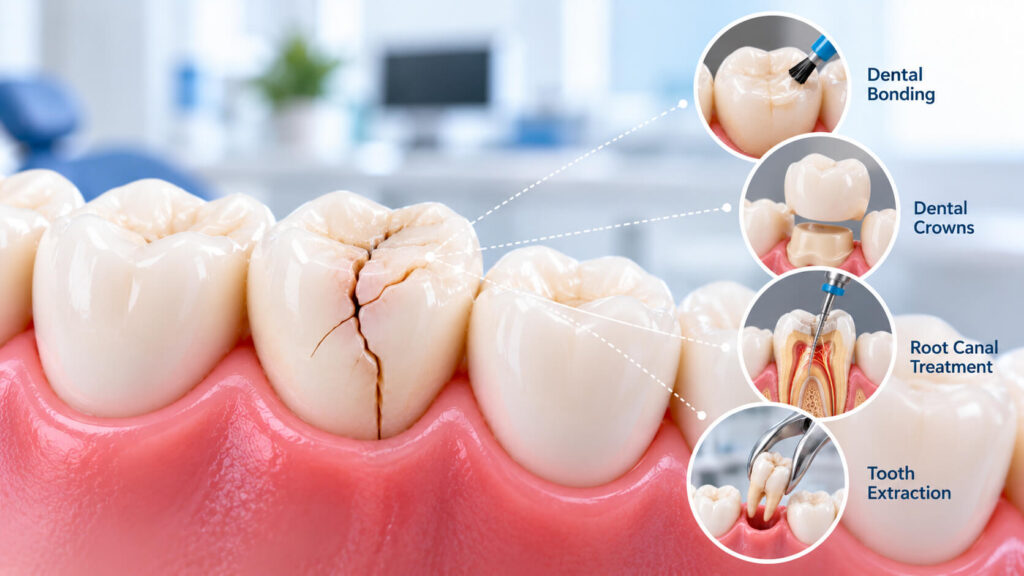
Many broken teeth can be repaired with treatments such as Dental Bonding, Dental Crowns, or Root Canal Treatment. However, there are situations where saving the tooth may no longer be possible. A dentist may recommend Tooth Extraction if: The tooth is severely fractured below the gum line There is extensive infection or decay Not enough […]
Toothache After a Crack? 5 Signs You May Need Root Canal Treatment
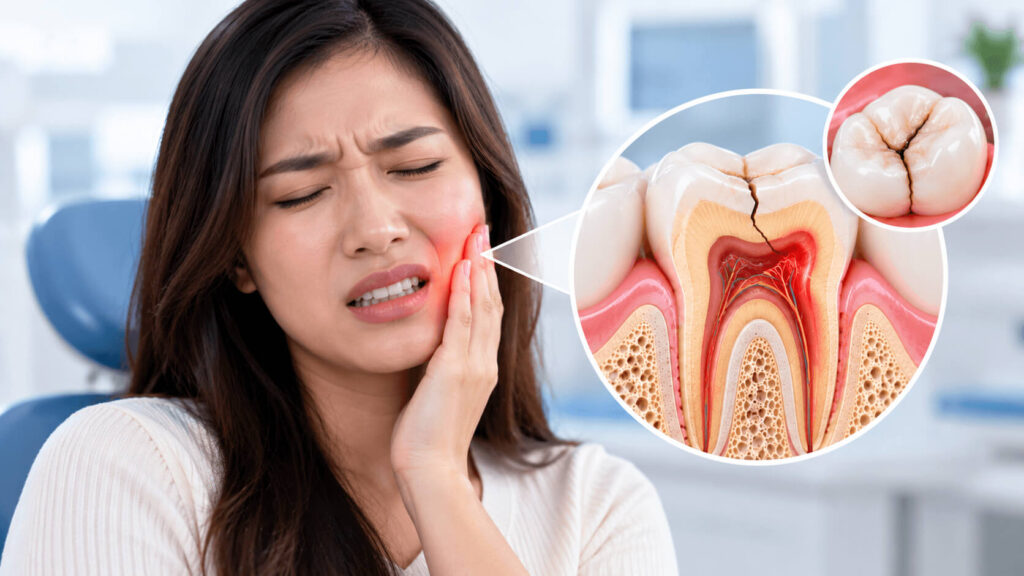
A cracked tooth doesn’t always cause immediate pain. However, if the damage extends to the inner pulp where the tooth’s nerves and blood vessels are located, treatment may be needed to save the tooth and prevent infection. Here are five signs that a cracked tooth may require Root Canal Treatment: Persistent ToothachePain that lingers or […]
Cracked Tooth Getting Worse? Why Dental Crowns Are Often the Best Long-Term Fix
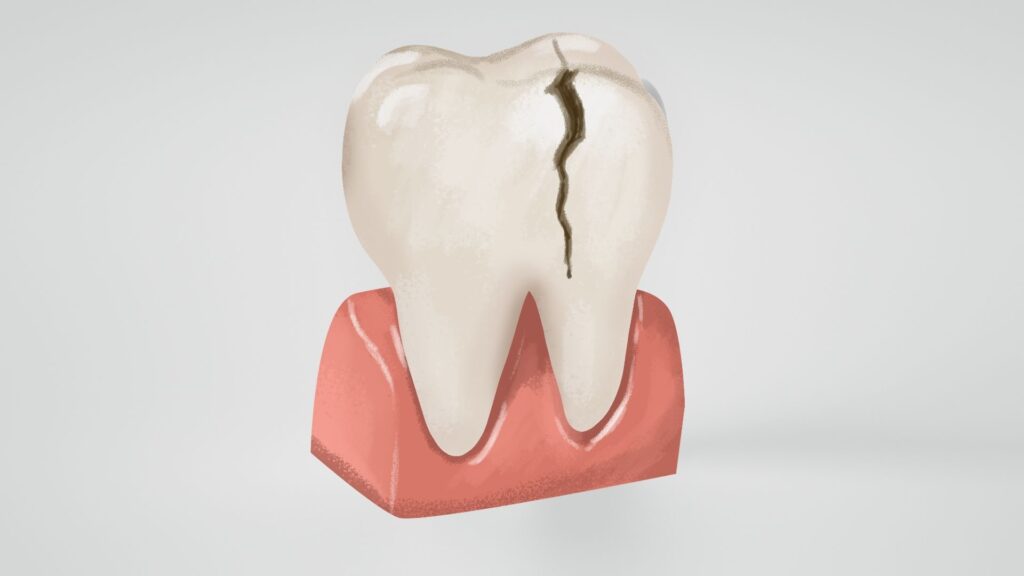
A cracked tooth may start as a minor inconvenience, but without treatment, the damage can worsen over time. Everyday activities such as chewing and biting place pressure on the tooth, increasing the risk of the crack spreading. When a tooth has sustained significant damage but can still be saved, Dental Crowns are often recommended as a […]
Small Chip or Bigger Problem? When Dental Bonding Can Save a Broken Tooth
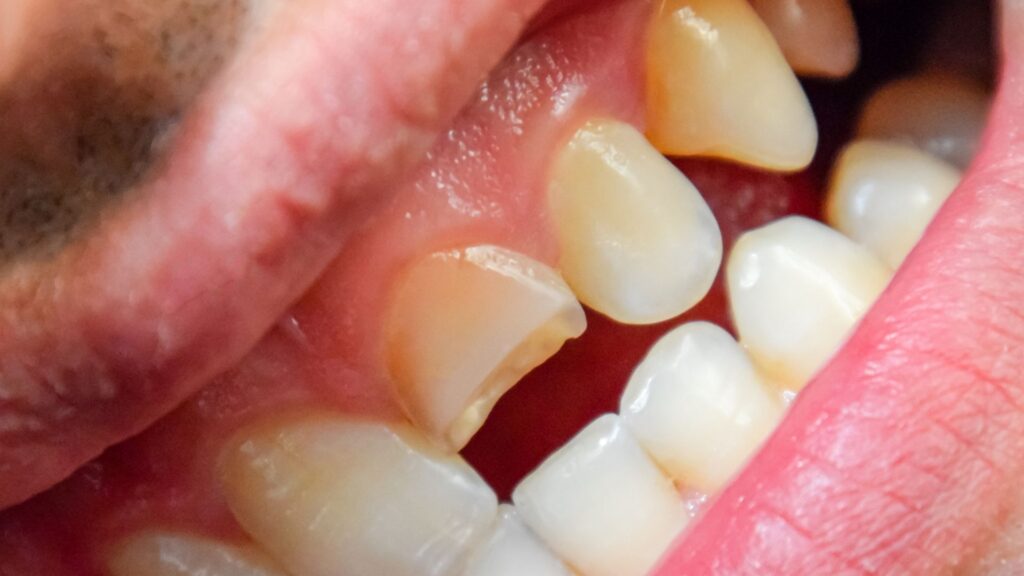
A chipped tooth may seem like a minor issue, especially if it isn’t causing pain. However, even small chips can weaken a tooth and affect the appearance of your smile. For minor chips and cracks, Dental Bonding is often a simple and effective treatment. Dental bonding uses a tooth-coloured resin to restore the shape and appearance […]
Broken Tooth? 7 Signs You Shouldn’t Ignore (And What Your Treatment Options Are)

A broken tooth isn’t always a dental emergency, but ignoring it can lead to pain, infection, and further damage. Whether you’ve chipped a tooth during sport or noticed a crack while eating, it’s important to know when to seek treatment. Common signs of a broken tooth include: Pain when biting or chewing Sensitivity to hot […]
Foods That Help Repair Tooth Enamel and Support Gum Health

What you eat can greatly influence your oral health. Certain foods contain nutrients that help repair tooth enamel and strengthen gums, contributing to a healthier smile. Enamel-Strengthening Foods: Dairy products like milk, cheese, and yogurt provide calcium and phosphates Leafy green vegetables offer vitamins and minerals essential for gum health Crunchy fruits and vegetables stimulate […]
The Connection Between Oral Health and Heart Disease: What Science Says

Scientific studies indicate a link between oral health, especially gum disease, and heart disease. While the relationship is complex, maintaining good oral hygiene may reduce inflammation and lower cardiovascular risks. Key Insights on the Link: • Gum disease causes chronic inflammation that may affect blood vessels • Oral bacteria can enter the bloodstream, potentially impacting […]
Wisdom Teeth: Monitoring vs Removal – What’s Best for You?

Wisdom teeth, or third molars, don’t always require removal. Some people have enough space for them to erupt fully without causing problems, while others may experience pain or complications that mean extraction is the best choice. When Monitoring Wisdom Teeth Is Appropriate: Teeth erupt fully and align properly No pain, swelling, or infection present Adequate […]
How Happy Gas Can Help You Relax at the Dentist

Happy gas is a safe and effective sedative that helps patients feel calm and relaxed during dental treatments. It’s especially useful for those with dental anxiety, sensitive gag reflexes, or those undergoing longer procedures. What Is Happy Gas? A controlled mix of oxygen and nitrous oxide inhaled through a mask Creates mild sedation and reduces […]
Oral Cancer Screening: What You Should Know

Oral cancer can develop in the mouth, lips, tongue, and throat, often without early symptoms or pain. Because these signs are subtle, routine screenings during dental visits are vital for early detection, improving treatment success. Risk Factors for Oral Cancer: Tobacco use, including smoking and chewing Excessive alcohol consumption Prolonged sun exposure to lips Human […]