

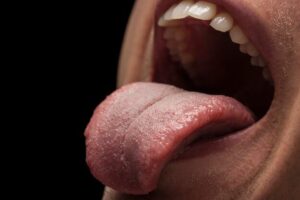
Dry mouth while sleeping? Sounds like a perfect recipe for a morning after a desert party! But in all seriousness, dealing with dry mouth can be a real pain in the…mouth. So if you want to wake up feeling less like you’ve been stranded in the Sahara, here are some tips to keep your mouth from turning into a barren wasteland while you sleep.
What Is Dry Mouth?
A dry mouth, also known as xerostomia, is a condition in which there is a lack of saliva or moisture in the mouth. Saliva is important for maintaining oral health as it helps to moisten and cleanse the mouth, neutralize acids produced by bacteria, and aids in the digestion of food.
When the mouth is dry, it can cause a range of uncomfortable symptoms, including a parched feeling, difficulty swallowing or speaking, a sore throat, bad breath, and even an increased risk of dental problems.
A dry mouth can be a temporary or chronic condition and can be caused by a variety of factors, including medication use, dehydration, certain medical conditions, and lifestyle habits.
What Causes Dry Mouth?
There are several reasons why someone may experience dry mouth. Some of the common causes include:
- Medications: Certain prescription and over-the-counter medications can reduce saliva production as a side effect. These can include antidepressants, antihistamines, and blood pressure medications.
- Medical conditions: Several medical conditions can cause dry mouth, including diabetes, Sjögren’s syndrome, and autoimmune disorders.
- Dehydration: When your body is dehydrated, it can impact the amount of saliva your mouth produces, leaving you feeling dry and thirsty.
- Lifestyle factors: Habits like smoking or excessive alcohol consumption can contribute to dry mouth. Breathing through your mouth instead of your nose can also dry out your mouth.
- Aging: As we get older, our bodies produce less saliva naturally, which can lead to dry mouth.
- Nerve damage: In some cases, nerve damage from an injury or surgery can impact the salivary glands, reducing saliva production.
Signs And Symptoms That You Suffer from Dry Mouth
There are several signs that you may have a dry mouth, including:
- A sticky or dry feeling in your mouth.
- A parched or sore throat.
- Difficulty swallowing or speaking.
- Bad breath.
- Cracked or dry lips.
- Mouth sores or ulcers.
- Changes in taste or difficulty tasting food.
- Tooth decay or gum disease.
- A hoarse or scratchy voice.
If you’re experiencing any of these symptoms, it’s a good idea to speak with your dentist or doctor. They can help determine the cause of your dry mouth and recommend appropriate treatment. Left untreated, dry mouth can lead to more serious oral health problems, so it’s important to address it as soon as possible.
How To Prevent Dry Mouth?
There are several things you can do to prevent dry mouth, including:
- Stay hydrated: Drinking plenty of water throughout the day can help keep your mouth moist and prevent dehydration.
- Chew sugarless gum: Chewing gum can stimulate saliva production, but be sure to choose a sugarless option to avoid tooth decay.
- Avoid alcohol and tobacco: Both alcohol and tobacco can contribute to dry mouth, so try to limit or avoid them altogether.
- Use a humidifier: Keeping a humidifier in your bedroom can help add moisture to the air, which can prevent dry mouth during sleep.
- Practice good oral hygiene: Brush and floss your teeth regularly, and use a mouthwash specifically designed for dry mouth to help keep your mouth moist and healthy.
- Talk to your doctor: If your dry mouth is caused by a medication, your doctor may be able to switch you to a different one that doesn’t have the same side effect.
By taking these steps, you can help prevent dry mouth and keep your mouth feeling comfortable and healthy.
If you’re experiencing symptoms of dry mouth or other oral health concerns, don’t hesitate to schedule an appointment with our dental clinic. Our team of experienced professionals can provide a thorough evaluation and personalized treatment plan to help you achieve a healthy, comfortable mouth. Contact us today to schedule your appointment and take the first step toward optimal oral health.