

When teenagers want to straighten their teeth, they’re often faced with the challenge of figuring out which method is right for them. Invisalign has become an increasingly popular option over the last few years – but is it really the best choice?
In this blog post, we’ll explore exactly what you need to know about getting Invisalign as a teenager – from understanding how it works to weighing up its pros and cons. So if you’ve always wanted to get your smile in perfect shape but weren’t sure if Invisalign was worth it, read on!
What is Invisalign?
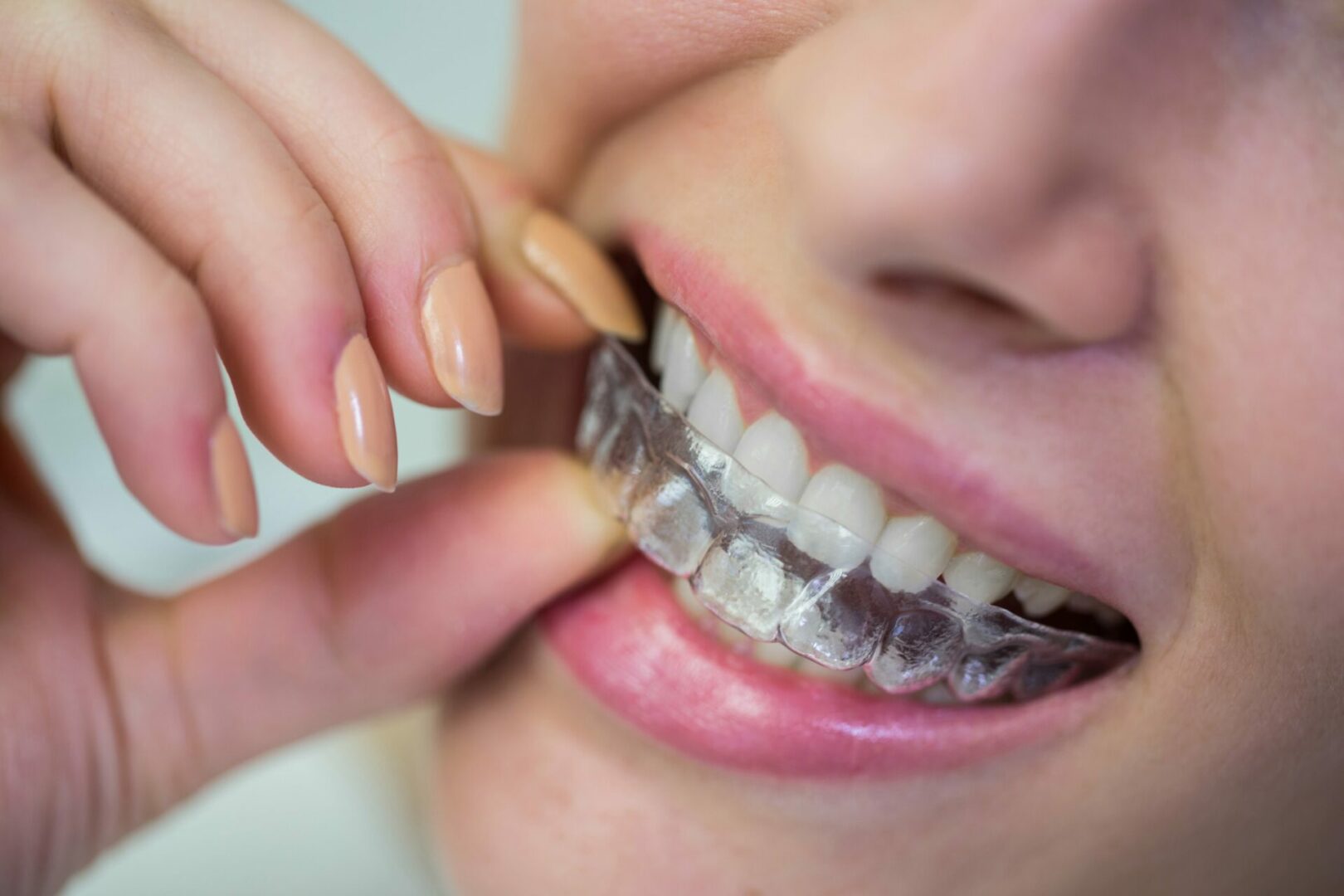
Invisalign is a popular brand of clear aligners that are used to straighten teeth and correct a range of dental issues. The aligners are custom-made to fit your teeth and are made of a clear, smooth plastic material that is virtually invisible when worn.
Invisalign works by gradually shifting your teeth into the desired position over time. Each set of aligners is worn for approximately two weeks before being replaced with the next set in the series. As you progress through the series, your teeth will gradually shift into the correct position.
Invisalign can be used to correct a variety of dental issues, including crowded or crooked teeth, gaps between teeth, overbites, underbites, and crossbites. The treatment typically takes between 12 to 18 months, although this can vary depending on the severity of the dental issue and the individual patient’s needs.
One of the main advantages of Invisalign over traditional braces is that the aligners are removable, which makes it easier to eat, brush, and floss your teeth. The aligners must be worn for at least 22 hours a day to be effective, but can be removed for special occasions or when eating.
Pros of Invisalign
There are several pros to using Invisalign as an orthodontic treatment option:
- Nearly Invisible: The clear plastic aligners used in Invisalign treatment are nearly invisible when worn, making them a more discreet option than traditional metal braces.
- Removable: Invisalign aligners are removable, which makes them more convenient for eating, brushing, and flossing. You can simply remove the aligners when you need to eat or clean your teeth, and then put them back in when you’re done.
- Comfortable: Invisalign aligners are made of a smooth, comfortable plastic material that is less likely to irritate your gums and cheeks than traditional metal braces.
- Customized: Invisalign treatment is customized to your specific orthodontic needs. Your dentist or orthodontist will use a digital 3D model of your teeth to create a customized treatment plan that outlines the movements your teeth will need to make in order to achieve the desired results.
- Effective: Invisalign treatment is just as effective as traditional metal braces in treating a wide range of orthodontic issues, including crooked teeth, overbites, underbites, and gaps between teeth.
- Predictable: Invisalign treatment uses a series of clear aligners that are designed to gradually move your teeth into their desired positions. This makes the treatment process more predictable than traditional metal braces.
Overall, Invisalign offers a comfortable, convenient, and effective way to straighten your teeth and improve your oral health and appearance. If you’re interested in Invisalign, it’s a good idea to talk to your dentist or orthodontist to determine if it’s a suitable treatment option for your specific needs.
Cons of Invisalign
While there are many advantages to using Invisalign as an orthodontic treatment option, there are also some potential disadvantages or challenges that should be considered:
- Cost: Invisalign treatment can be more expensive than traditional metal braces, depending on the complexity of your orthodontic issues and the length of your treatment.
- Compliance: Invisalign aligners must be worn for at least 22 hours per day in order to be effective. Some patients may struggle to comply with this requirement, which can slow down their treatment progress.
- Maintenance: Invisalign aligners must be removed and cleaned regularly to prevent bacteria buildup and maintain oral hygiene. This may require additional time and effort compared to traditional metal braces.
Is It Worth It?
Whether Invisalign is worth the price depends on several factors, including your specific orthodontic needs, the severity of your condition, and your personal preferences.
Compared to traditional metal braces, Invisalign can be more expensive, but many patients find the benefits of Invisalign worth the cost. Invisalign aligners are nearly invisible, which means that they can provide a discreet treatment option that doesn’t interfere with your daily life or self-confidence.
Ultimately, the decision to pursue Invisalign treatment will depend on your individual circumstances and preferences. It’s a good idea to talk to your dentist or orthodontist to determine if Invisalign is a suitable treatment option for your specific orthodontic needs and budget.